Why Local SEO is Essential for Small Businesses
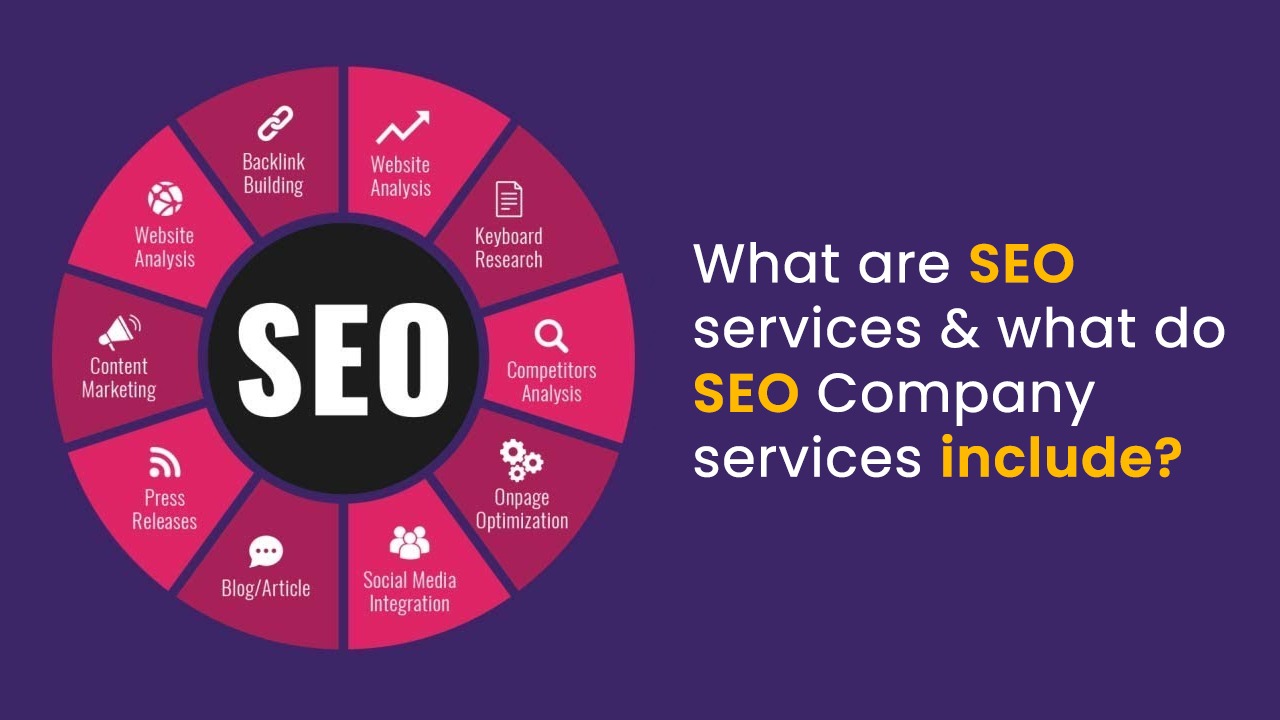
+For small businesses, attracting local customers is critical to their growth and success. Local SEO (Search Engine Optimization) is the practice of optimizing your online presence to increase visibility in local search results, ensuring that your business is discoverable ranked higher by customers in your area. As more consumers rely on search engines to find nearby products and services, implementing a robust local SEO strategy has become essential for small businesses. Here’s why local SEO is crucial and how it can help small businesses thrive.
1. Increased Visibility in Local Searches
When potential customers search for products or services near them, they often use phrases like “near me,” “in [city name],” or “best [product] in [location].” For small businesses, appearing in these local searches can be a game-changer. Local SEO helps your business show up on search engine results pages (SERPs) when people search for relevant terms in your geographic area.
Google prioritizes local results, and businesses with optimized local SEO are more likely to appear in the local pack—the map section of the search results, which shows top businesses within the area. This prime visibility is crucial for small businesses looking to capture the attention of local customers who are ready to make a purchase.
2. Improved Google My Business (GMB) Listings
One of the most significant components of local SEO is optimizing your Google My Business (GMB) listing. GMB is a free tool provided by Google that allows businesses to manage their online presence, making it essential for small business visibility. A well-optimized GMB profile can help your business show up in local search results and Google Maps, providing potential customers with vital information, including:
- Business name, address, and phone number (NAP)
- Operating hours
- Photos and videos
- Customer reviews
- Q&A section
By keeping your GMB profile updated and engaging, you can increase trust with potential customers and improve your chances of ranking higher in local searches.
3. Increased Traffic and Foot Traffic
Local SEO directly impacts both online and offline traffic. When your business appears in local search results, it drives more visitors to your website, and potentially, more foot traffic to your physical store. According to a Google study, 76% of people who search for something nearby visit a business within a day. This emphasizes how crucial local SEO is for businesses that rely on foot traffic, such as retail stores, restaurants, or service providers.
By optimizing your website for local search queries and ensuring your business is listed on local directories and maps, you’re more likely to drive customers who are physically nearby, increasing the likelihood of immediate conversions.
4. Enhanced User Experience and Engagement
Local SEO involves optimizing your website for mobile devices, as a significant number of local searches are performed on smartphones. With a mobile-optimized site, you ensure that visitors can quickly find your business information, navigate your website, and take action—whether that’s calling your business, making a purchase, or visiting your physical location.
In addition to improving mobile usability, local SEO helps small businesses offer a better overall user experience by providing easy access to accurate, up-to-date information. Having a clear, easy-to-use website and a fast-loading page increases the chances of customers engaging with your business, making them more likely to visit or purchase.
5. Building Trust with Local Customers
For small businesses, building trust with your local community is essential. Local SEO plays a significant role in increasing trust and credibility by showcasing positive customer reviews and testimonials. Google considers reviews as a ranking factor in local SEO, so the more positive feedback you have, the better your chances of ranking higher in local search results.
Encouraging satisfied customers to leave reviews on your GMB listing and other review platforms (like Yelp, Facebook, or industry-specific sites) can enhance your reputation and show potential customers that your business is reliable and trustworthy. High-quality reviews also provide social proof, helping to influence new customers to choose your business over competitors.
6. Cost-Effective Marketing
Compared to traditional advertising methods, local SEO is an extremely cost-effective way for small businesses to gain visibility and attract customers. Many small businesses have limited marketing budgets, and local SEO provides a high ROI because it targets people who are already interested in products or services within their area. When properly executed, local SEO can deliver long-term results without the high costs associated with paid ads, like Google Ads or print advertising.
By focusing on local keywords, optimizing your GMB listing, and using local business directories, you can improve your rankings without the need for expensive campaigns. In fact, local SEO strategies can often be implemented with minimal financial investment.
7. Competitive Advantage Over Larger Businesses
While larger companies may have a broader online presence, local SEO provides a unique advantage to small businesses looking to dominate their local market. Larger businesses might not be as focused on local optimization, allowing smaller competitors to capture market share by effectively leveraging local SEO techniques.
By targeting niche keywords relevant to your specific geographic location and industry, small businesses can outrank larger companies in localized search results. Local SEO helps level the playing field, allowing small businesses to compete more effectively against larger brands, especially in their immediate areas.
8. Insights into Customer Behavior
Local SEO can provide valuable data on how customers are interacting with your business online. Google Analytics, combined with GMB insights, allows small business owners to track important metrics like website visits, search queries, and how customers are finding your business. This information is crucial for fine-tuning your local SEO strategy, optimizing your content, and better understanding the needs of your audience.
These insights allow you to make informed decisions about how to improve your marketing efforts and refine your products or services to cater more directly to your local customer base.
Conclusion
Local SEO is essential for small businesses that want to attract local customers, improve visibility, and boost sales. By focusing on optimizing your Google My Business listing, improving your website’s mobile experience, obtaining local reviews, and targeting location-specific keywords, you can enhance your chances of appearing in local search results. Additionally, local SEO helps you compete more effectively with larger businesses, provides valuable insights into customer behavior, and delivers a cost-effective marketing strategy that can drive both online and offline traffic. With the increasing reliance on mobile and local searches, investing in local SEO is one of the most effective ways for small businesses to grow and thrive in today’s competitive market.