When Venting Meets Precision: A Comparative Look at Modern Fume Extraction Design
Introduction
I remember standing beside a small laser cutter in a Saigon workshop, watching a thin haze rise and thinking, “This should not be so hard to fix.” In the second sentence here I want to say that fume extraction equipment is supposed to make that haze disappear—yet many shops still chase odors and soot like a bad habit. (You know how it is, nhé.) Recent shop surveys say nearly 40% of small manufacturers report inadequate air control, and that made me ask: why do we accept so much compromise? I’ll share what I’ve seen, with plain talk and a few numbers, and then move on to concrete problems and fixes. This sets us up to dig deeper into the real issues next.
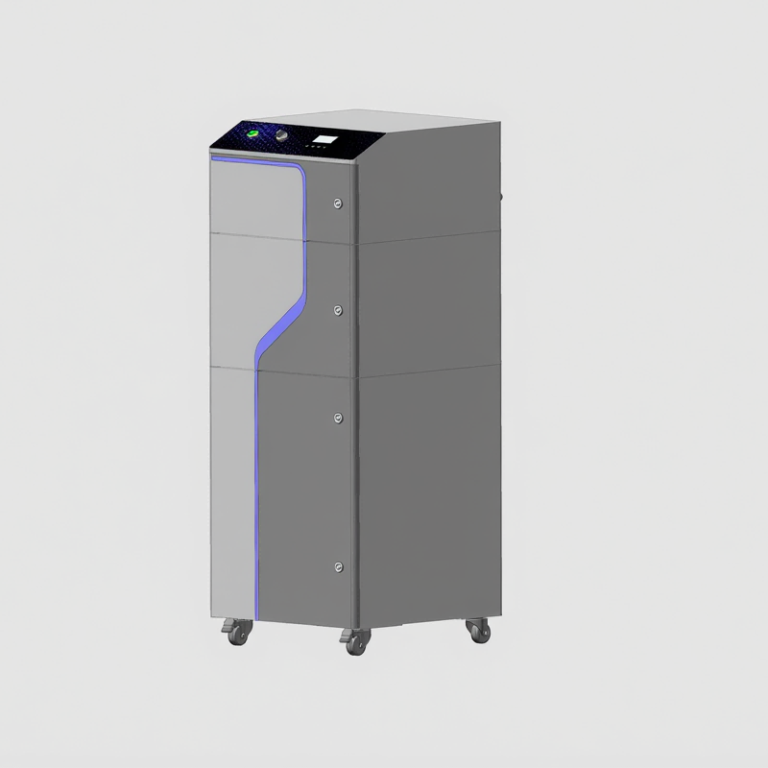
Where Traditional Systems Fail — a Technical Look
fume extraction machine — I say that up front because this is the device most people pin their hopes on. Yet the real failure is rarely the machine alone. Systems fail where design, maintenance, and real use diverge. Filters get clogged. Extraction hoods are placed badly. Fan speed controllers are set once and forgotten. I’ve seen installations where the duct runs are longer than necessary and power converters are undersized. The result: a system that looks fine on paper but does not capture the plume where it matters.
Why do they keep failing?
First, designers often optimize for noise and cost, not capture efficiency. Second, users modify or disable controls to save power — that kills performance. Third, the smallest detail, like hood placement, changes flow patterns dramatically. Look, it’s simpler than you think: airflow is local; a good fan won’t help if the hood is four inches off the plume. I’ve also noticed a blind spot — many teams ignore the human factor: operators move parts, open doors, or change cutting speeds. Those choices break the airflow model. — funny how that works, right?
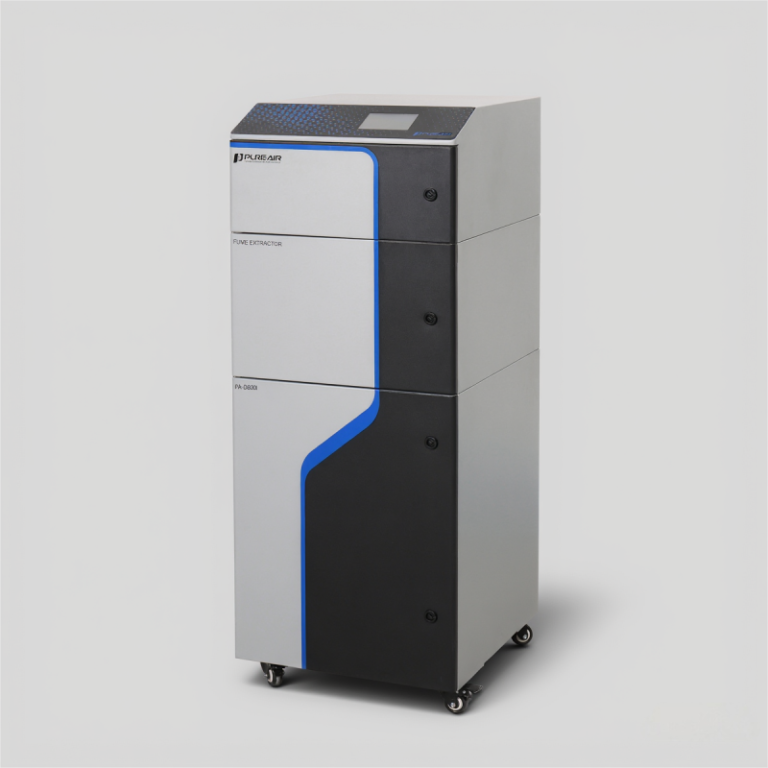
New Principles and Practical Outlook
Now let’s look forward. I prefer to describe principles rather than pitch gadgets. Modern systems start with plume-focused capture: design the hood and airflow for the task, not generic room ventilation. Edge computing nodes can help here—simple sensors and local processing let the fume extraction machine respond to real work, not fixed settings. That means smarter fan curves, more accurate control, and less wasted energy. I’m excited by this because it ties design to daily use. It’s practical. It’s not vaporware.
What’s Next?
We should expect three shifts. One: measurement-led layouts. Two: adaptive controls that change with load. Three: maintenance that’s tracked rather than hoped for. I think these changes will cut capture failures by a large margin if installers and users adapt. There’s also a soft side — training and simple checklists help more than a manual ever will. — and yes, I’ve seen shops adopt small habits that fix months of poor performance overnight.
Three Metrics to Choose By
To finish, I’ll give three clear metrics you can use when evaluating a system. 1) Capture Efficiency at Source — measure it, don’t guess. 2) Adaptive Control Capability — does the unit vary fan speed with load or sensor input? 3) Maintainability — are filters accessible, and is system health reported? Use those, and you will make better choices. I don’t just say this because I study gear; I say it because I’ve watched teams save time, money, and health by asking these simple questions. For supply and engineering support, check the work from PURE-AIR.