Seasonal Decorating Trends Fresh Ideas for every Time of year
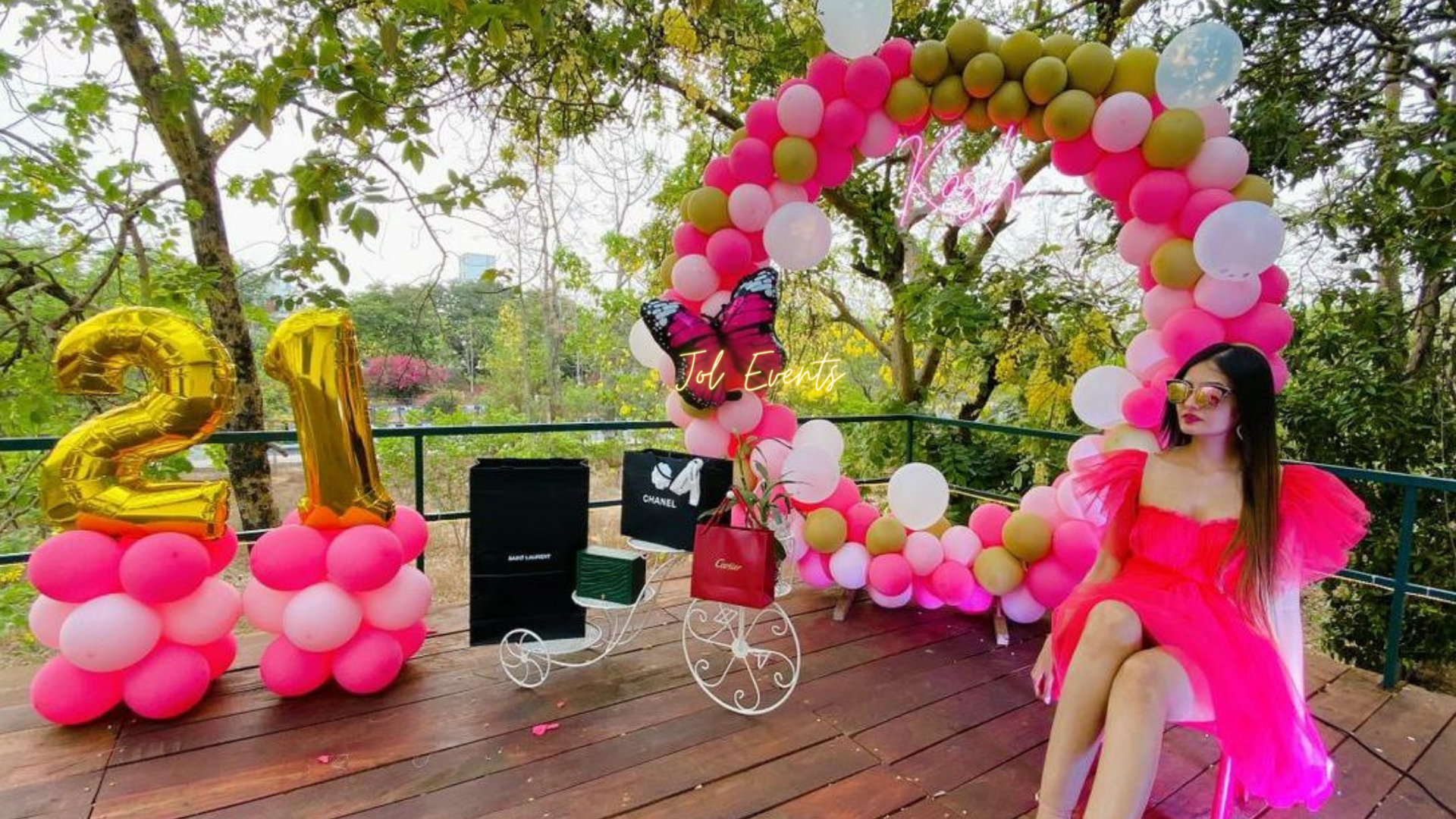
Decoration is a powerful tool in transforming spaces into environments that are both aesthetically pleasing and functional. Whether it’s a home, office, or public area, effective decoration enhances the visual appeal of a space while ensuring it meets its intended purpose. This multifaceted process involves careful consideration of color 裝修工程, furniture, layout, and accessories to create a cohesive and inviting atmosphere that reflects personal or brand identity.
Color as a Key element in Decoration
Color is a fundamental aspect of decoration that profoundly affects the ambiance of a space. Different colors evoke various emotions and can alter perceptions of space. For instance, warm colors like reds and oranges create a vibrant, energetic atmosphere, making them suitable for social areas like living rooms or dining spaces. Conversely, cool colors such as blues and greens promote calmness and relaxation, ideal for bedrooms or spa-like settings. Choosing the right color palette is crucial, as it influences the mood and functionality of the space, and should be selected based on the desired emotional impact and harmony with other design elements.
The importance of Furniture Selection and Arrangement
Furniture plays a critical role in both the functionality and aesthetic of a space. When selecting furniture, it’s essential to consider the purpose of the room, the size of the space, and the overall design theme. For example, in a living room, comfortable seating and a stylish coffee table might be the focal points, while in a home office, a functional desk and ergonomic chair are priorities. The arrangement of furniture should facilitate movement and interaction while creating visual balance. Effective layout planning ensures that the space is not only practical but also visually harmonious, enhancing both comfort and style.
Accessorizing for Personalization and Depth
Accessories are the finishing touches that add personality and depth to a space. Items such as artwork, rugs, cushions, and decorative objects contribute to the room’s character and can reflect the occupant’s tastes or the space’s intended theme. Accessories also introduce texture, pattern, and color, adding layers of visual interest that complement the primary design elements. It’s important to choose accessories that enhance the overall look without overwhelming the space. Personal touches, such as framed family photos or cherished souvenirs, make a space feel unique and inviting.
Balancing Aesthetic Appeal with Practicality
Achieving a balance between aesthetic appeal and practicality is crucial in decoration. While a space should be visually appealing, it must also serve its intended function effectively. For example, lighting fixtures should not only enhance the decor but also provide adequate illumination for the space’s activities. Storage solutions should be both stylish and functional, helping to keep the space organized while contributing to the overall design. By integrating both beauty and utility, decorators can create environments that are both attractive and practical, ensuring they meet the needs of their users.
Emerging Trends and Innovations in Decoration
Decoration trends continually evolve, influenced by changes in technology, design preferences, and cultural shifts. Recent trends include a focus on sustainable and eco-friendly materials, as well as the integration of smart home technology, which enhances functionality and convenience. Minimalist design remains popular, emphasizing simplicity, clean lines, and multifunctional furniture. Additionally, biophilic design, which incorporates natural elements and promotes a connection with nature, is gaining traction. Staying updated with these trends allows decorators to create modern, relevant spaces that reflect current preferences and innovations.