Reproductive Medicine: Unlocking New Pathways to Parenthood
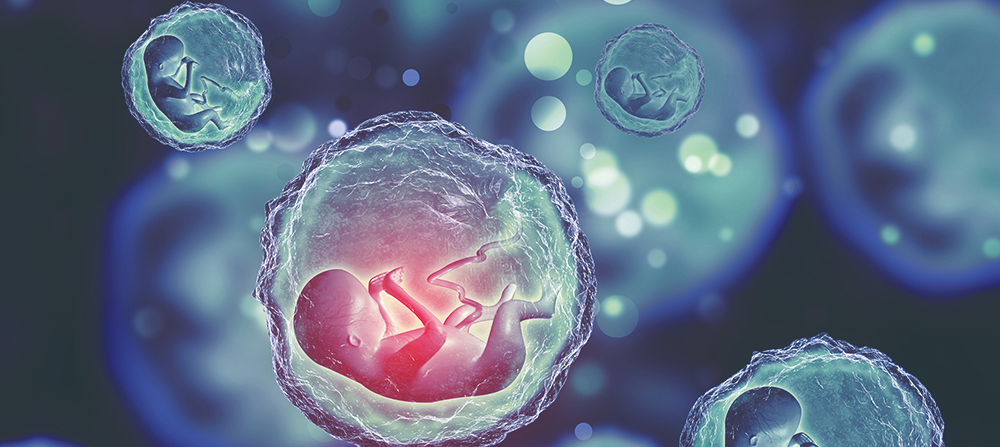
Reproductive medicine has revolutionized the 凍卵 way individuals and couples approach fertility, transforming what was once a deeply personal struggle into a field full of hope, options, and innovation. Rooted in science and compassion, reproductive medicine offers advanced diagnostics and treatments for those facing challenges in conceiving naturally. With infertility now recognized as a common medical condition affecting both men and women, this branch of healthcare is more vital than ever in helping people achieve their dreams of starting or expanding a family.
Infertility can be caused by a wide range of factors, including age, hormonal imbalances, ovulation disorders, low sperm count, genetic conditions, and lifestyle choices. Reproductive medicine begins with a thorough evaluation to determine the root cause of fertility issues. Specialists use tools such as blood tests, ultrasounds, hysterosalpingograms, and semen analysis to guide their diagnosis. Once identified, tailored treatment plans are created to address the individual’s or couple’s specific needs, ranging from medication and hormonal therapy to more complex procedures such as in vitro fertilization (IVF) or intrauterine insemination (IUI).
One of the most significant advancements in reproductive medicine is the development and refinement of IVF. This procedure involves retrieving eggs, fertilizing them with sperm in a lab, and transferring the resulting embryos into the uterus. Techniques like embryo freezing, preimplantation genetic testing (PGT), and intracytoplasmic sperm injection (ICSI) have dramatically improved IVF success rates and safety. Furthermore, egg and sperm freezing technologies have opened doors for fertility preservation, allowing individuals to delay childbearing due to personal, medical, or career-related reasons without compromising their chances of future conception.
Reproductive medicine also plays a vital role in supporting non-traditional paths to parenthood. Single parents, LGBTQ+ couples, and individuals with medical conditions that prevent pregnancy can now become parents through options like donor eggs or sperm, and gestational surrogacy. These inclusive solutions have broadened access to family-building opportunities, helping redefine what a family can look like. With proper counseling and medical care, patients are guided through each step of their reproductive journey, ensuring both ethical considerations and emotional wellbeing are addressed.
Despite its many successes, reproductive medicine faces ongoing challenges. The high cost of fertility treatments makes access difficult for many, especially in regions where such services are not covered by insurance. Emotional strain is another concern, as repeated cycles of treatment can lead to psychological stress, anxiety, and depression. Additionally, ethical questions surrounding embryo selection, genetic modification, and surrogacy rights continue to spark debate. Addressing these issues with sensitivity and integrity is essential to ensuring reproductive medicine evolves responsibly.
The future of reproductive medicine is filled with promise as technology and research continue to advance. Emerging fields such as artificial intelligence in embryo selection, stem cell-based gamete generation, and personalized genetic medicine may soon revolutionize fertility treatments. With continued innovation, improved access, and a deeper understanding of reproductive health, reproductive medicine will remain a beacon of hope for millions around the world, unlocking new pathways to parenthood in ways once thought impossible.