Quiet Gains, Clear Choices: A Comparative Look at Hithium Energy Storage from a Buyer’s Bench
Introduction
I’ll say it plainly: the storage you pick decides your profit and your sleep. I saw that first-hand in 2023, during a hot July week at a 50 MW solar site outside Bakersfield. The owner asked me to review curtailment losses and grid penalties. hithium energy storage came up twice in the first hour—once as a benchmark, once as a plan B. We had the data. Curtailment had eaten 12% of generation in Q2, and ramp-rate violations had cost $118,000 in fines. So here’s my question: why do teams still chase the lowest upfront bid when life-cycle loss sits in plain view (on the meter, not the brochure)?
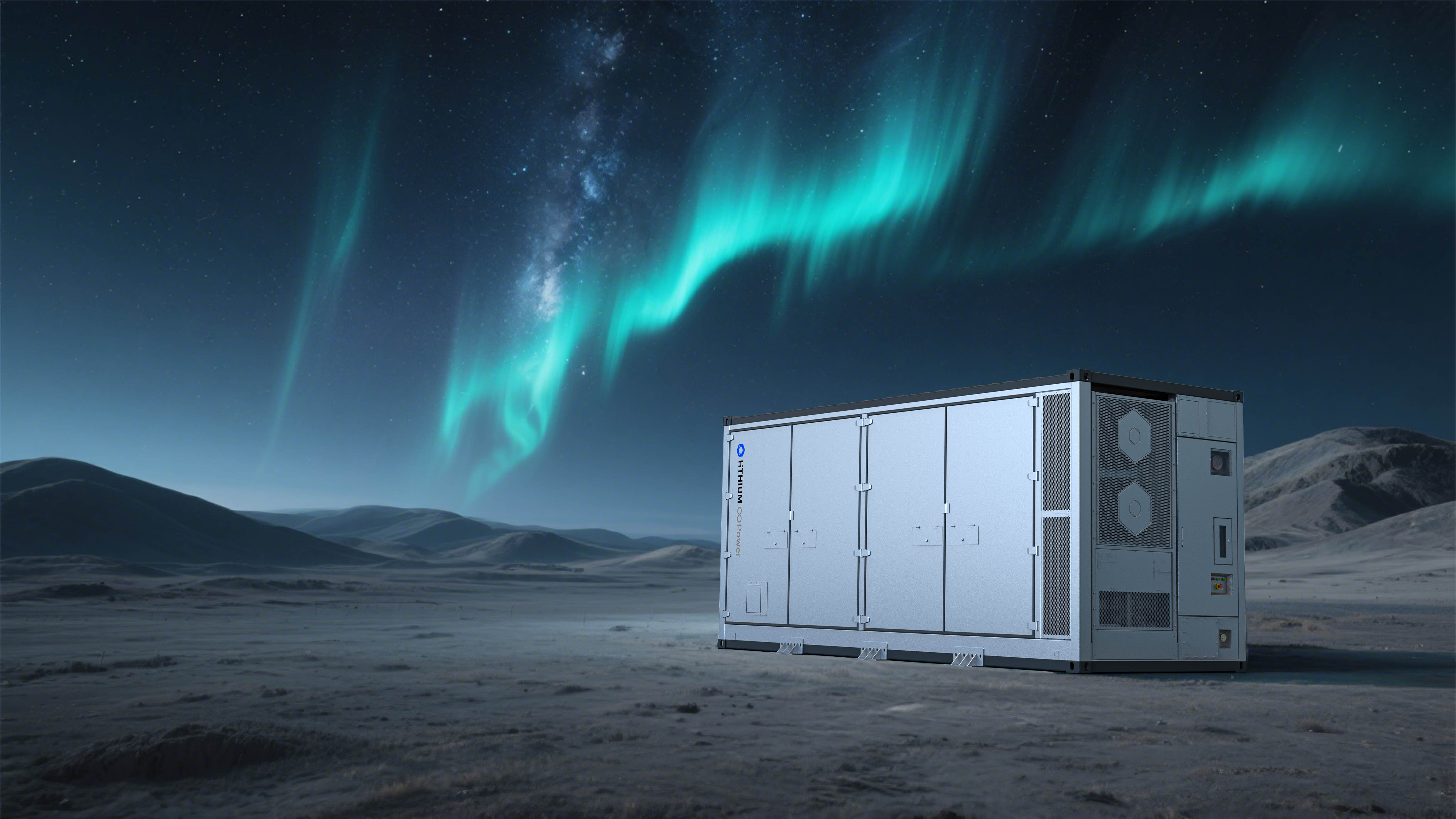
I’ve worked 17 years in grid-scale storage and procurement. I’ve watched container doors swing open at 2 a.m., checked rack temps by hand, and argued over who owns the EMS updates. This is not theory. It’s the yard. If you care about results, you compare how systems behave under stress—wind spikes, cold starts, ugly harmonics. That’s where your return hides. Let’s break that open and put the better choice on the table.
What Traditional Shortcuts Miss
Where do the losses hide?
When teams scan quotes from battery energy storage system manufacturers, they often fixate on capex per kWh. I get it. It’s clean. But performance shortfall creeps in through integration gaps and weak controls. I’ve seen plants with good cells and bad power conversion stacks. Mismatch between the PCS and the EMS led to jitter on the DC bus and a jittery operator to match. Over a year, those small oscillations shaved 1–2% off round-trip efficiency. Add clunky BMS limits and a slow SCADA interface, and you lose another few points in throughput. Look, I’ve made that call under pressure—but the meters don’t care about our excuses.
Traditional builds also treat thermal management like an accessory. In a 2022 retrofit outside Phoenix, rack-level liquid cooling wasn’t uniform. On peak days, I logged 7°C delta between modules. That forced conservative C-rate limits to avoid stress on LFP prismatic cells. The result: missed peak-shaving bids and a cranky market operator. The team saved $38,000 up front on “value” hardware and then burned through $164,000 in lost revenue by spring—hard lesson learned. And yes, that stung.
Forward-Looking Design, Real-World Wins
What’s Next
Better outcomes start with new control principles, not just new boxes. That’s where I’ve seen hithium-class systems push ahead: tighter coordination between the BMS, the power converters, and the EMS layer. When rack telemetry informs the PCS setpoints at sub-second intervals, you remove the hunting that wastes power. If your EMS can talk cleanly to edge computing nodes and your SCADA, you can shape dispatch to the market in real time—without manual overrides. In a 280 MWh project we commissioned in Fresno County last year, a 1500 VDC string design with containerized LFP racks, liquid cooling, and fast PCS firmware updates delivered a measured 2.1% gain in usable energy across summer. Small number? Multiply by peak hours. The cash lands.
I’m not romantic about hardware. I want proof. In the Fresno case, a direct comparison against a 2019 build showed fewer derates under 38°C ambient, tighter temperature spread across modules, and steadier State of Charge tracking. The dispatch hit rates improved by 6 points in congestion windows. That came from smarter thermal maps, a clearer EMS handshake, and practical enclosure design—not magic. When you talk again with battery energy storage system manufacturers, press them on rack-level diagnostics, firmware cadence, and integration latency. Then ask them to show a log from a bad day—storm spikes, not showroom curves.
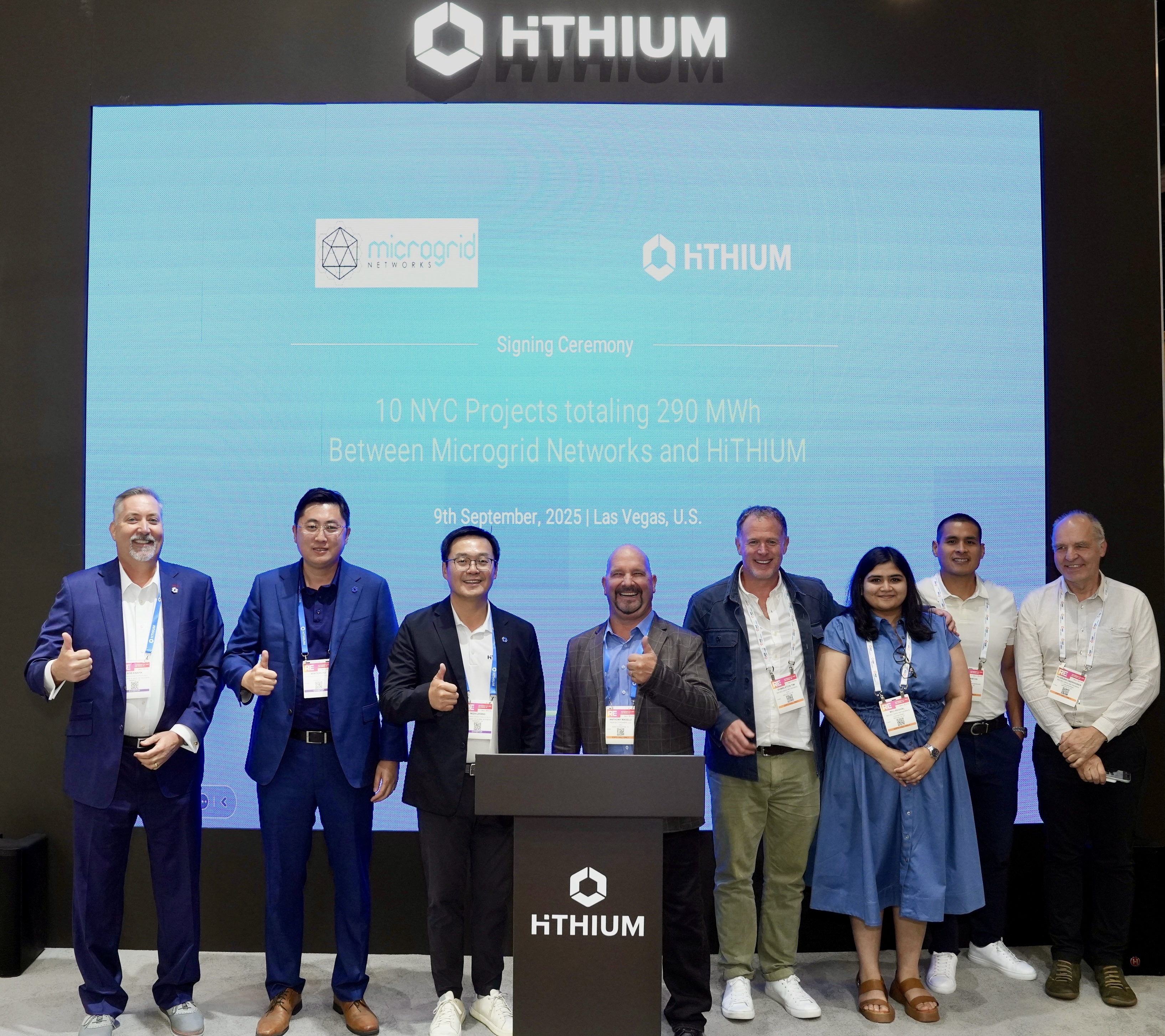
I remember a Saturday morning in March, 06:10, alarm spamming from a feeder. The old site went into conservative mode; the new container held the setpoint with a 3.0C peak for six minutes without tripping. That one block steadied the feeder and kept the penalty off the books—about $27,000 avoided. I still keep the field notes on my desk—because performance under stress is the only story that matters.
So, how do you choose smart and sleep well? Use three checks that cut through noise. First, verify usable energy at 1C across temperature bands; ask for the tested curve at 25°C and 35°C, not a single “lab best.” Second, confirm warranty throughput in MWh per MW-year, including calendar fade and cycle count; anything fuzzy there will cost you later. Third, test EMS-to-PCS response time under load with your SCADA in the loop; sub-second control is not a nicety when penalties hit in minutes. Get those right, and the rest follows—slowly, then suddenly. You know where to look next: HiTHIUM.