Quality Pond Liners: The Foundation of a Long-Lasting Pond
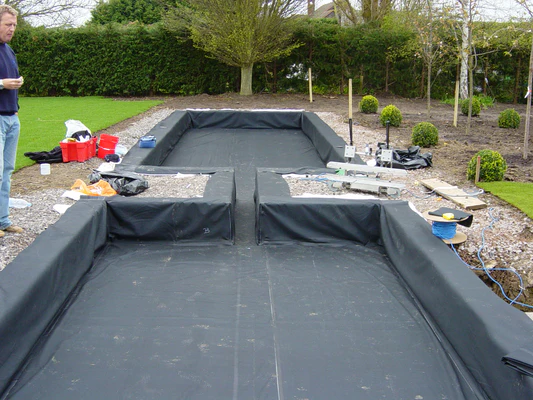
When building a pond, most people focus on fish, waterfalls, plants, and landscaping. But there’s one element that quietly does all the hard work behind the scenes — the pond liner. A high-quality pond liner is the foundation of any successful pond. Without it, water leaks, structural damage, and costly repairs can quickly turn your dream pond into a frustrating project.
Whether you’re creating a small garden pond, a wildlife habitat, or a large koi pond, choosing a quality pond liner is one of the most important decisions you’ll make. It determines how long your pond lasts, how well it holds water, and how safe it is for fish and plants.
In this guide, we’ll explore everything you need to know about pond liners — materials, benefits, installation tips, and how to choose the right one for your pond.
What Is a Pond Liner?
A pond liner is a waterproof membrane installed beneath your pond to prevent water from seeping into the ground. Think of it as the invisible container that holds everything together.
Without a liner, water would simply soak into the soil. Even clay-heavy soil can crack and leak over time. A proper liner ensures:
- Water retention
- Structural stability
- Protection against leaks
- Long-term durability
Pond liners come in various materials, thicknesses, and sizes. The quality of the liner directly impacts how long your pond will last and how much maintenance it will require.
Why Choosing a Quality Pond Liner Matters
It might be tempting to save money by choosing a cheaper liner. But here’s the truth: a low-quality liner often leads to expensive repairs later.
A quality pond liner offers:
- Durability – Resistant to punctures and tears
- UV protection – Prevents cracking from sun exposure
- Flexibility – Adapts to ground movement and contours
- Fish safety – Non-toxic and safe for aquatic life
A liner is not something you want to replace every few years. Installing a reliable liner from the start saves time, money, and stress in the long run.
Types of Quality Pond Liners
There are several common types of pond liners available. Understanding the differences helps you choose the right one for your project.
1. EPDM Rubber Pond Liners
EPDM (Ethylene Propylene Diene Monomer) is one of the most popular choices for ponds.
Advantages:
- Extremely flexible
- Highly durable
- UV and weather resistant
- Long lifespan (20+ years)
EPDM liners are ideal for irregular-shaped ponds and koi ponds because they stretch and conform easily to curves.
2. PVC Pond Liners
PVC liners are lightweight and affordable.
Advantages:
- Budget-friendly
- Easy to install
- Flexible for small ponds
However, PVC liners may not last as long as EPDM and can become brittle over time if exposed to strong sunlight.
3. Butyl Rubber Pond Liners
Butyl liners are strong and flexible, similar to EPDM.
Advantages:
- Long-lasting
- Excellent flexibility
- Fish-safe
They are generally more expensive but offer premium durability.
4. Preformed Pond Liners
Preformed liners are rigid, molded plastic shells shaped like ponds.
Advantages:
- Easy installation
- Ideal for small decorative ponds
- Fixed shape and depth
They’re convenient but less flexible in terms of design.
How to Choose the Right Pond Liner
Selecting the right liner depends on several factors:
Pond Size
Larger ponds require thicker liners for added durability and strength.
Pond Depth
Deeper ponds create more water pressure, so a stronger liner is essential.
Fish or Wildlife
If you’re keeping koi or other fish, choose a non-toxic, fish-safe liner.
Budget
While quality matters, choose a liner that fits your budget without compromising durability.
Thickness Matters: Why Gauge Is Important
Pond liners come in different thicknesses, often measured in millimetres or gauge.
- 0.5mm liners – Suitable for small decorative ponds
- 0.75mm liners – Ideal for medium garden ponds
- 1mm+ liners – Recommended for large or koi ponds
Thicker liners provide better resistance to punctures and root damage. If you have rocky soil or plan to keep koi, investing in a thicker liner is wise.
Installing a Quality Pond Liner Properly
Even the best liner won’t perform well if installed incorrectly. Here are key installation tips:
- Prepare the ground – Remove sharp stones, roots, and debris.
- Add an underlay – Protects the liner from punctures.
- Position carefully – Avoid stretching too tightly.
- Secure edges properly – Prevent slipping and water loss.
- Fill gradually – Allow the liner to settle naturally as water fills the pond.
Professional installation is recommended for larger ponds, especially koi ponds.
Using Underlay for Extra Protection
An underlay acts as a cushion between the soil and the liner. It prevents damage from:
- Sharp stones
- Tree roots
- Ground movement
Many pond failures occur due to skipped underlay. It’s a small investment that significantly increases liner lifespan.
Common Mistakes to Avoid
When installing or choosing a pond liner, avoid these common errors:
- Choosing the cheapest option available
- Skipping underlay
- Underestimating liner size
- Installing on uneven or rocky ground
- Using non-fish-safe materials
These mistakes often lead to leaks and expensive repairs.
How Long Do Quality Pond Liners Last?
A high-quality pond liner can last:
- 10–15 years for PVC
- 20–30 years for EPDM or butyl
Lifespan depends on exposure to sunlight, installation quality, and maintenance. With proper care, premium liners can last decades.
Maintaining Your Pond Liner
While liners are low maintenance, a few steps help extend their life:
- Avoid sharp decorations
- Monitor water levels regularly
- Repair small punctures immediately
- Protect exposed edges from direct sunlight
Regular inspection prevents minor issues from becoming major problems.
Benefits of Investing in Quality Pond Liners
Choosing a premium liner provides:
- Long-term water retention
- Reduced repair costs
- Peace of mind
- Safe environment for fish
- Better structural integrity
It’s the hidden hero of your pond — doing the heavy lifting without being seen.
Conclusion
A pond is only as strong as its foundation, and that foundation is the liner. Investing in quality pond liners ensures durability, safety, and long-term performance. Whether you’re building a small garden pond or a large koi pond, the right liner protects your investment and keeps your water feature functioning beautifully for years to come.
Choose wisely, install carefully, and your pond will reward you with clarity, stability, and lasting enjoyment.
FAQs About Quality Pond Liners
1. What is the best material for a pond liner?
EPDM rubber is widely considered the best due to its flexibility and durability.
2. How thick should a pond liner be?
For koi ponds, 1mm or thicker is recommended. Smaller ponds can use 0.75mm liners.
3. Do I need underlay beneath a pond liner?
Yes, underlay protects the liner from punctures and extends its lifespan.
4. Can pond liners be repaired if damaged?
Yes, most liners can be repaired using patch kits designed for the specific material.5. How long does a quality pond liner last?
Depending on the material, a quality liner can last 20–30 years with proper installation and care.