Choosing the right Home Inspector: What to look for
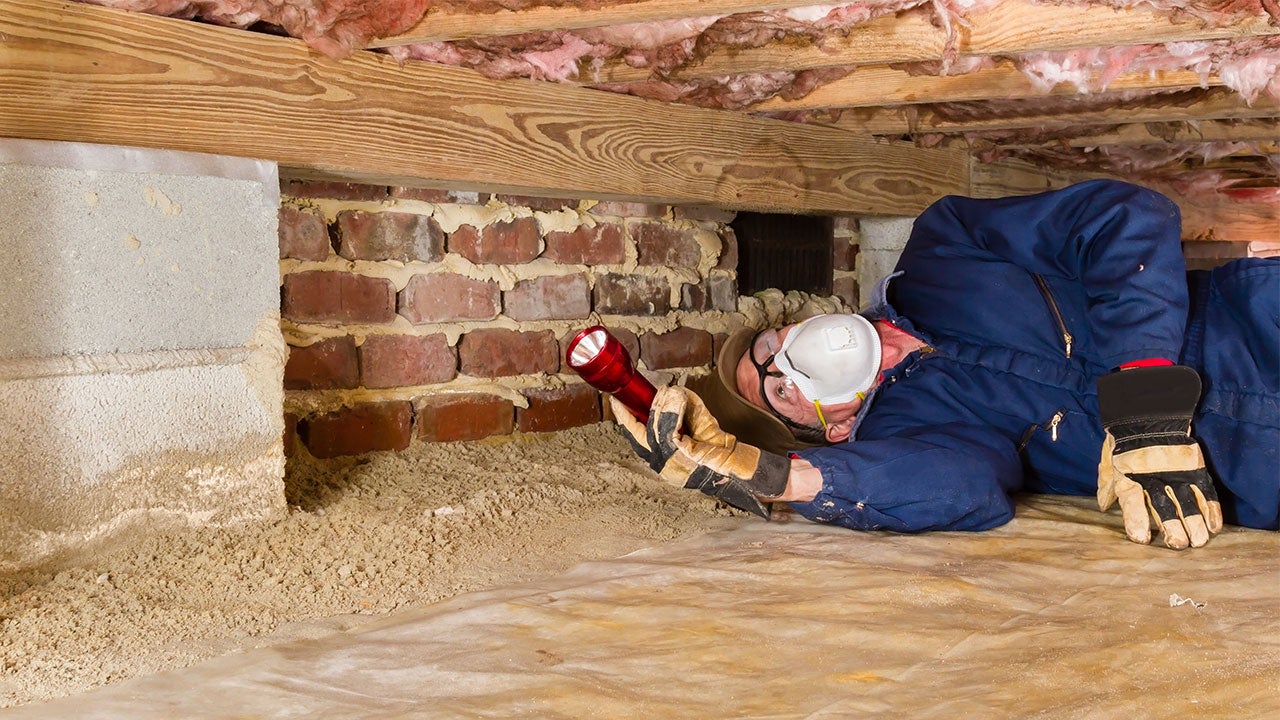
A home inspection is a pivotal event in the process of selling or maintaining a home. It provides a thorough assessment of the property’s condition, Home Inspection identifying any issues that may need attention. By preparing your home adequately for inspection, you can potentially enhance its appeal, streamline the inspection process, and ensure a favorable outcome. Here’s how to prepare effectively:
- Clean and Declutter
Start by cleaning your home thoroughly, both inside and out. A clean home not only makes a positive impression but also allows inspectors to access various areas more easily. Decluttering rooms, closets, and storage spaces ensures that inspectors can examine structural components, plumbing, and electrical systems without obstruction. Additionally, a tidy home gives the impression of proper maintenance and care.
- Organize Documentation
Gather all relevant documentation related to your home, including receipts for recent repairs, maintenance records, warranties for appliances, and any permits for renovations or additions. Organizing these documents demonstrates proactive maintenance and provides valuable information to the inspector. It also helps to have manuals or instructions readily available for appliances and systems in your home.
- Address Minor Repairs
Take the time to address minor repairs throughout your home before the inspection. Fix leaky faucets, replace burnt-out light bulbs, repair loose door handles, and tighten loose cabinet hinges. These small repairs may seem insignificant but can collectively enhance the overall impression of your home’s condition. Pay attention to visible wear and tear, such as cracked tiles, torn window screens, or peeling paint, as they can affect the inspector’s perception of maintenance.
- Test Smoke Detectors and Carbon Monoxide Alarms
Ensure that all smoke detectors and carbon monoxide alarms are in proper working condition by testing them before the inspection. Replace batteries if necessary and provide documentation of recent inspections or maintenance. Working smoke detectors and carbon monoxide alarms are essential for safety and compliance with building codes, demonstrating your commitment to maintaining a safe living environment.
- Check HVAC and Mechanical Systems
Inspect and service your HVAC (heating, ventilation, and air conditioning) system before the inspection. Replace air filters, clean vents and ducts, and schedule a professional HVAC technician to perform routine maintenance if needed. Ensure that thermostats are functional and set to appropriate temperatures during the inspection. Similarly, check and service other mechanical systems such as water heaters, sump pumps, and garage door openers to ensure they are in good working order.
- Inspect Plumbing and Electrical Systems
Evaluate your plumbing and electrical systems for any issues that may need attention. Check for leaks under sinks, ensure that toilets flush properly, and test all faucets for adequate water pressure and drainage. In terms of electrical systems, inspect outlets and switches for functionality, replace any broken or outdated covers, and address any visible wiring issues. Ensuring these systems are in good condition helps to avoid potential concerns during the inspection.
- Exterior Maintenance
Pay attention to the exterior of your home as well. Trim overgrown vegetation, mow the lawn, and clear debris from gutters and downspouts. Inspect the roof for missing or damaged shingles, clean windows and screens, and repair any cracks or gaps in exterior walls or foundation. A well-maintained exterior not only enhances curb appeal but also signals to the inspector that the home is cared for and structurally sound.
- Provide Access
Ensure that inspectors have easy access to all areas of your home, including attics, basements, crawl spaces, and utility rooms. Remove obstacles such as furniture, storage boxes, or vehicles that may block access to these areas. If necessary, provide keys or access codes for locked areas such as sheds, garages, or electrical panels. Easy access allows inspectors to conduct a thorough evaluation, reducing the likelihood of incomplete assessments or follow-up inspections.
- Prepare for Pets and Children
If you have pets or young children, make arrangements to keep them safe and secure during the inspection. Consider confining pets to a designated area or taking them out of the home temporarily. Inform the inspector about any pets that will remain on the property and provide instructions for handling them safely. Similarly, ensure that children are supervised and aware of the inspection process to prevent interruptions or safety concerns.
- Be present During the Inspection
While not always required, it can be beneficial to be present during the inspection. This allows you to accompany the inspector as they evaluate your home, ask questions, and gain a better understanding of their findings. It also provides an opportunity to address any concerns or provide additional information about your home’s features or maintenance history. Being present demonstrates your commitment to transparency and cooperation throughout the inspection process.
Conclusion
Preparing your home for a successful inspection involves proactive maintenance, organization, and attention to detail. By following these steps, you can ensure that your home presents well to inspectors, potentially minimizing findings and ensuring a smoother inspection process. Whether you’re selling your home or simply maintaining its condition, adequate preparation for inspection contributes to the overall value and appeal of your property.
This detailed guide provides homeowners with actionable steps to prepare their homes effectively for a successful inspection, ensuring that the property is presented in the best possible light and facilitating a thorough evaluation by inspectors.